Starting my 3L year felt surreal. It seemed like just yesterday that I had walked into the law school building for my 1L orientation, and now I was beginning my final year.
The fall tuition was $15,299.73, and the spring tuition was $15,289.73. Throughout law school, I received several scholarships, with the most coming in my 3L year. In my 3L year, I was awarded the Wagner Scholarship, Eccles Scholarship, and the Utah Minority Bar Association’s Scholarship. My advice? Apply for everything and anything. You never know what you might get!
Fall
In the fall, I took Immigration Law, Health Law, Trusts and Estates, and Environmental Law Policy and Ethics Seminar.
In Health Law, we had weekly writing assignments and discussed topics like the mental cost of activism, the “standard of care,” the Employee Retirement Income Security Act of 1974, and the Emergency Medical Treatment and Active Labor Act.
Both Immigration Law and Health Law had 3-hour final exams with a mix of short answer and essay questions. In Immigration Law, we also had to do a presentation at the end of the semester.
For Environmental Law Policy and Ethics, I wrote a 26-page seminar paper and gave a group presentation on the Endangered Species Act. Grading was 80% based on the seminar paper and 20% on the group project. We met once a week for 2 hours and were required to submit short papers before each class.
At SJQ, there is a seminar writing requirement. You need to get a B or better in the seminar course to fulfill the requirement. I remember being stressseddddd about my seminar paper. I wrote about the Forest Act of 2021 and the connection between our economic choices and deforestation. All the citations, footnotes, making sure I’m not plagiarizing. Am I citing everything correctly? Is the comma in the citation italicized? Should the a in “at” in the citation be capitalized? Is the comma inside of the quotations or outside? What is a good balance of citations and my actual writing?
My brain was just not brain-ing. I’d go to coffee shops to work on my assignments and to study but I just had a writing mental block. Coupled with the writing assignments for Health Law, I struggled with writing anything at all. If I didn’t get a B or better, I’d fail to meet the requirements for graduation. What then? Girl, I was just stressing myself out.
Bateman IP
In November, I started working for Bateman IP, a patent firm specializing in the protection of all forms of intellectual property. My role involved extensive legal research and drafting discovery documents. During this time, the nation was dealing with shortages of toilet paper and hand sanitizer, leading to numerous hand sanitizer and trademark issues that I had to research.
As a law student, I was paid $35/hour, which increased to $40/hour upon graduation and $50/hour once I passed the bar. (Craaazyyyy how I made more as a law student than I do now as an American Samoa Government (ASG) attorney. Sorry, Dad!)
Minority Law Caucus
I was the secretary for the MLC in my 3L year. This involved maintaining meeting minutes, designing announcements and flyers for MLC events, maintaining member records, sending emails to the student body, and coordinating events.
Spring
In the spring, I took Poverty Law, Legal Professions, Problem Solving, and Analysis II and Creative Advocacy Lab.
Legal Professions
Legal Professions is a required course for graduation at SJQ and can be taken in either the 2L or 3L year. This course prepares you for the Multistate Professional Responsibility Examination (MPRE) and teaches you about the nature of the legal profession, with a particular emphasis on the roles of lawyers and how those roles create legal, political, moral, and personal conflicts. The Model Rules of Professional Conduct (MRPC) are studied in depth.
Legal Professions was one of the more interesting classes I took. The debates we had and the dilemmas posed by the cases we discussed prompted me to examine my morals. One dilemma posed in our class that continues to stay with me is as follows:
You represent an individual charged with murder. Your client confesses to you that he committed the murders and tells you where the bodies are hidden. The parents of one of the victims approach you and beg to know where their daughter’s body is so they can bury her according to their religious beliefs. They believe their daughter will never be at peace until her body is buried. What do you do? Is there an MRPC rule that allows you to disclose the location of the bodies without violating attorney-client privilege? Would you tell the parents? Anonymously report it?
This dilemma pits attorney-client privilege against moral obligations. The legally correct answer is that you don’t disclose the information because your client’s confession is protected by attorney-client privilege. But would you be able to live with that decision? Is soothing your conscience more important than upholding attorney-client privilege? What are the long-term implications if alleged criminals don’t trust that their communications with their attorneys are protected by attorney-client privilege?
Creative Advocacy Lab
You had to apply to be accepted into the Creative Advocacy Lab. I almost didn’t apply because I didn’t view myself as a creative person but I’m super thankful for the nudge I got to apply.
The Creative Advocacy Lab (CAL) is an intensive, one-semester course that explores modes of legal advocacy beyond traditional client representation, re-envisioning lawyers as community educators, problem-solvers, and storytellers.
In CAL, we collaborated with the International Rescue Committee to develop resources to assist individuals in their interactions with law enforcement. We identified communities in Utah that had negative interactions with law enforcement, conducted interviews to determine the causes of these negative interactions, and identified the types of resources that would best help them. The process involved numerous interviews, brainstorming sessions, trial and error, and seeking and implementing feedback from the communities.
My experience in CAL reminded me of the importance of ensuring that there is space for me in the communities I want to help. In the beginning stages of CAL, I felt frustrated that I was not finding answers to the questions I thought had to be answered. If there is one thing from CAL that will stay with me forever is the importance of entering these spaces without preconceived ideas about how things should go. I believe that my efforts to help could have had detrimental effects on minority communities if I did not first try to know the communities I wanted to help. I would’ve also wasted resources that could help to make a difference.
Through CAL, I recognized the importance of consistently reminding myself why I want to engage in social justice work. I realized the need to continuously refocus so that I am not causing harm to the people I want to help. I learned to appreciate the significance of taking up space and relinquishing space. Sometimes, we do more harm than good, and it’s okay to let go of ideas that don’t work. I am grateful for the “mental nudge” that I got to apply for CAL because I learned so much about myself.
Poverty Law
One of our first reading assignments was a Letter to a Law Student Interested in Social Justice. The third page begins with a profound statement: “The first thing I lost in law school was the reason that I came.” Law school and the legal profession often wear down the idealism that students initially have. With the debt that often comes with law school and the allure of six-figure salaries, who wants to be a social justice lawyer? As William Quigley puts it, “The revolutionary social justice called for by Dr. King is not for the faint of heart – it calls on the courage of your convictions. It takes guts.”
We often had deep discussions about the merits of impact litigation versus direct services. How can I best serve communities? How can I develop the skills needed to organize and empower others? Would I truly be helping, or would I inadvertently harm the very communities I want to uplift? If not us, then who will do the work?
It seems paradoxical, but in the very places where injustices are most evident, we can also find joy, hope, inspiration, and love. We just need to keep our eyes and hearts open, ready to absorb the joy, hope, inspiration and love that we find in those who resist injustice.
Writing this has been a powerful reminder to reflect on why I moved to Samoa, what I want to do with my law degree, and to reevaluate my goals. Where do I see myself five years from now? What do I want to accomplish in life? And perhaps most importantly, do I even need to accomplish anything? Is it enough to simply be?
As I approach my eight-month mark of working in American Samoa, I find myself oscillating between two desires: to stay and help the community where I grew up as best I can, and to leave, knowing I could earn significantly more in Utah. Which thought will prevail at the end of my contract? I guess we’ll see.
Oxford Human Rights Consortium
In March, I received an invitation to join the University of Utah’s delegation to the Oxford Consortium for Human Rights. I almost deleted the email requesting that I join the group because I thought it was spam. Luckily, I read it! I had my passport so I was able to join the group a few weeks before the Consortium.
I absolutely loved Europe! I flew there a week before the Consortium so I could gallivant in the streets of London and Paris. I visited the National Gallery, the Louvre Museum, and the Palais Garnier. I watched A Quiet Place in the Garnier. I went to the Mamma Mia! The Party (def. recommend!), Les Misérables and the Phantom of the Opera. If I could’ve gone to a theater show every night, I definitely would have! I did so much walking in London and Paris that I had blisters for weeks.
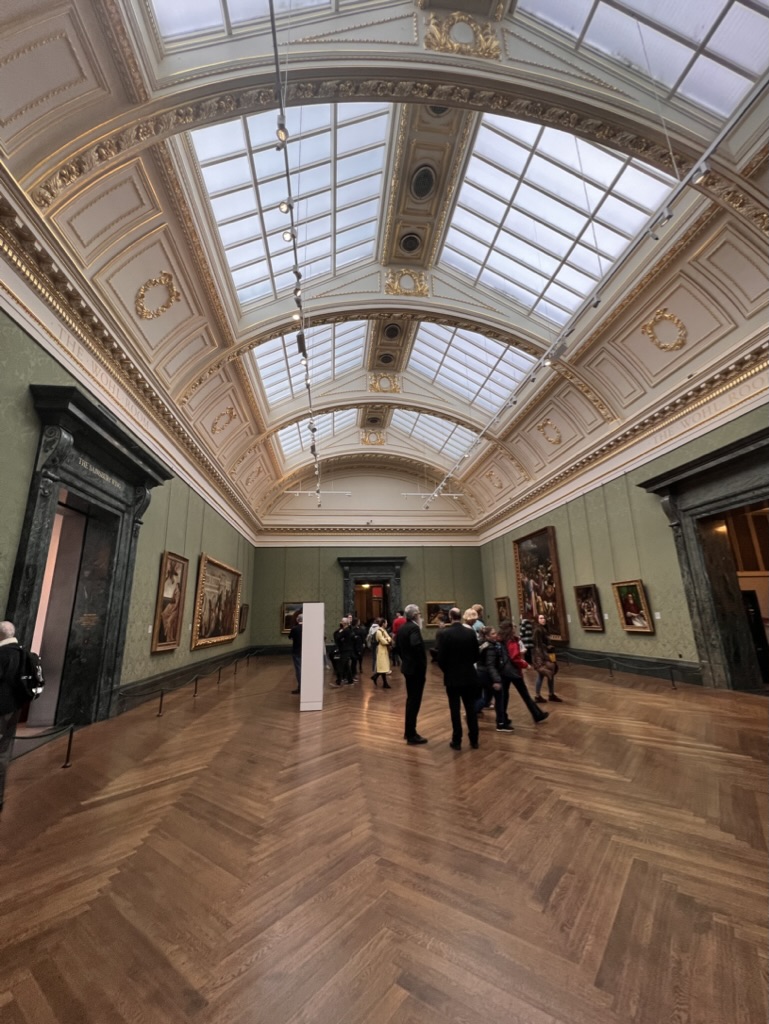
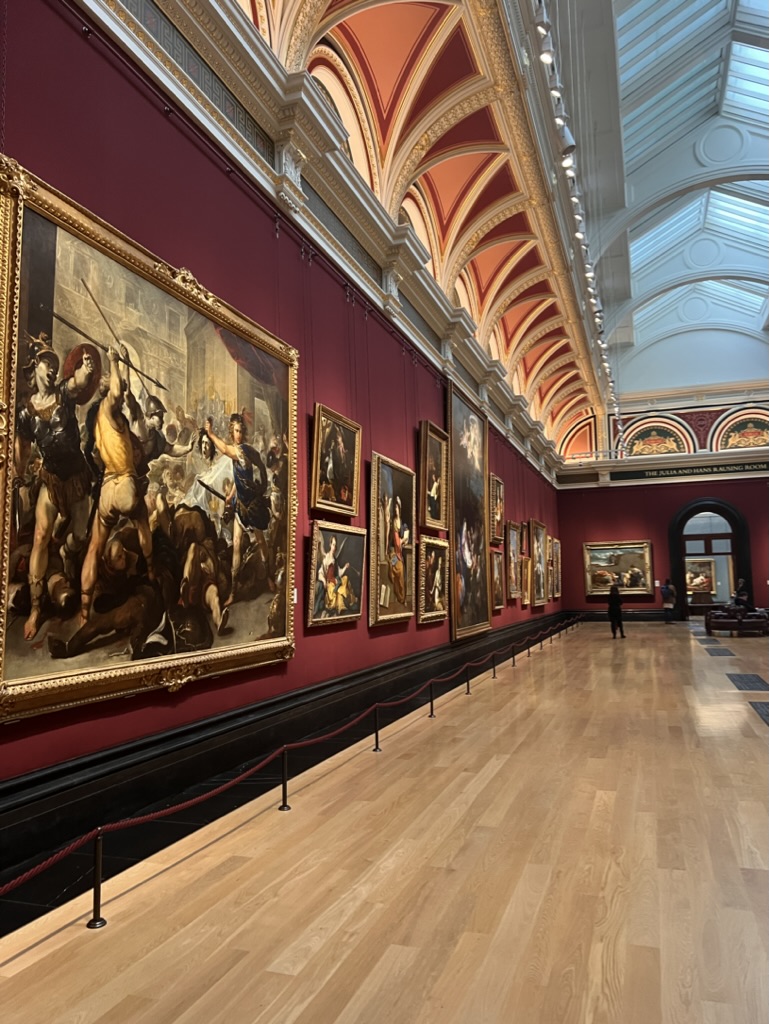


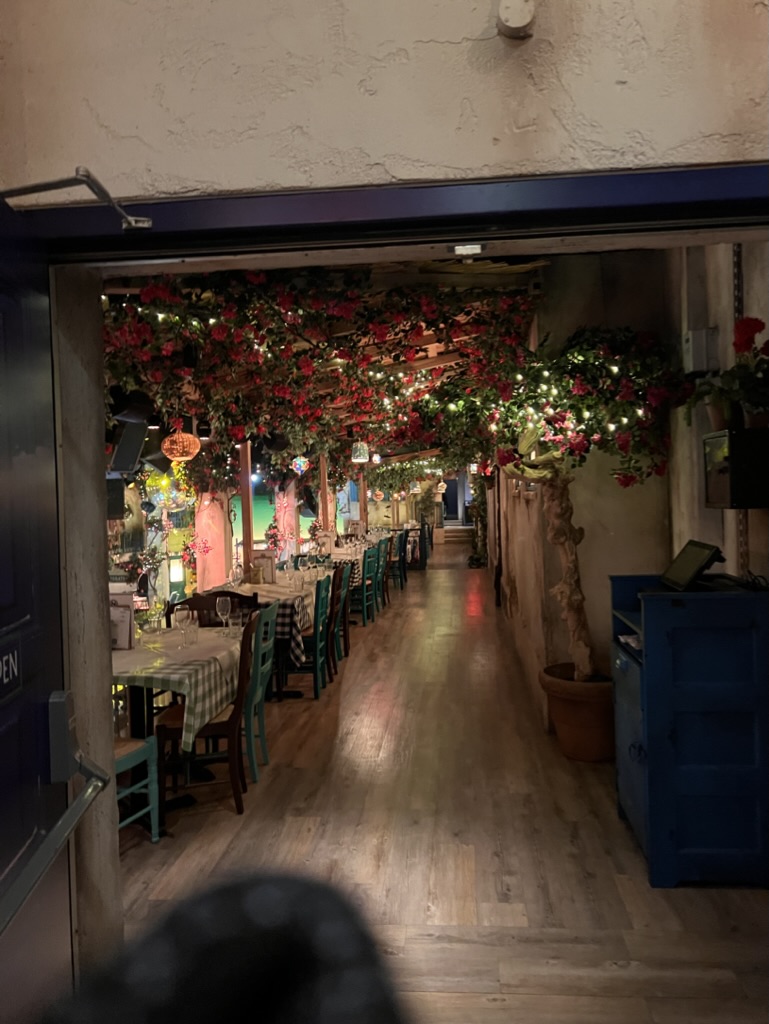
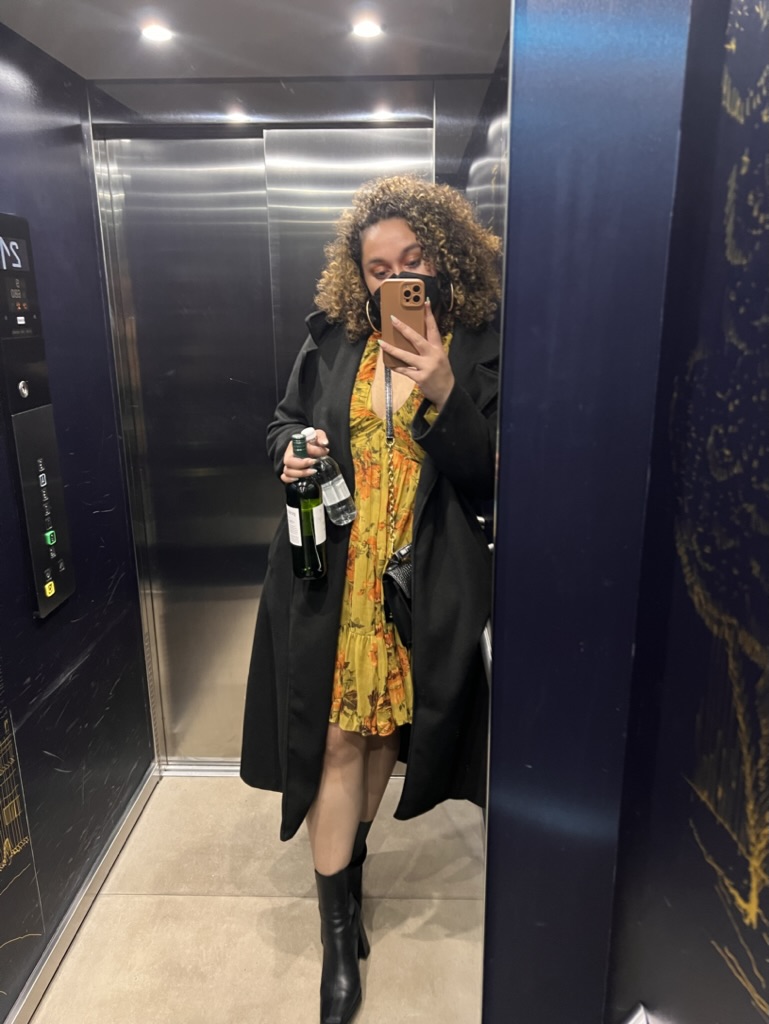




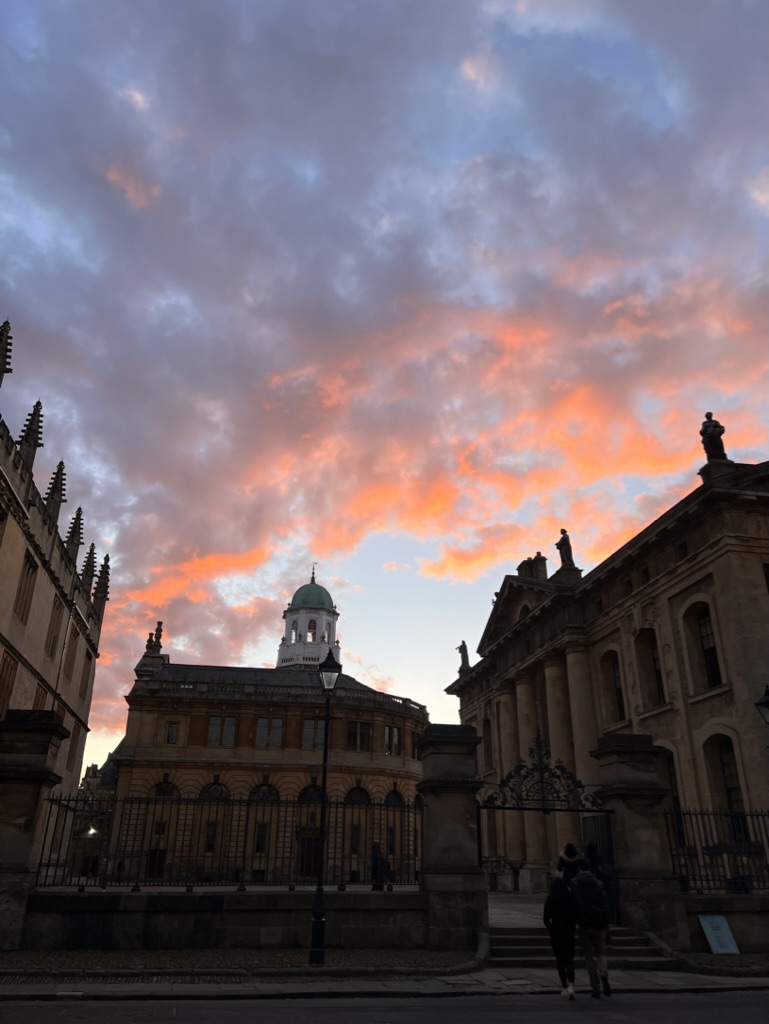
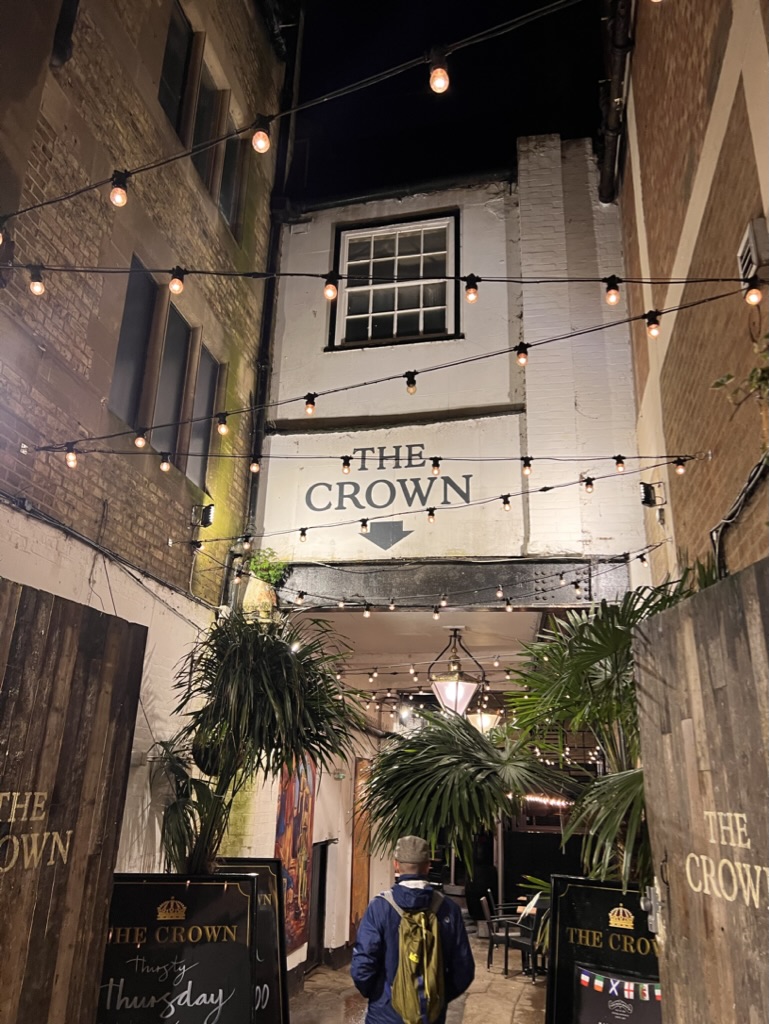

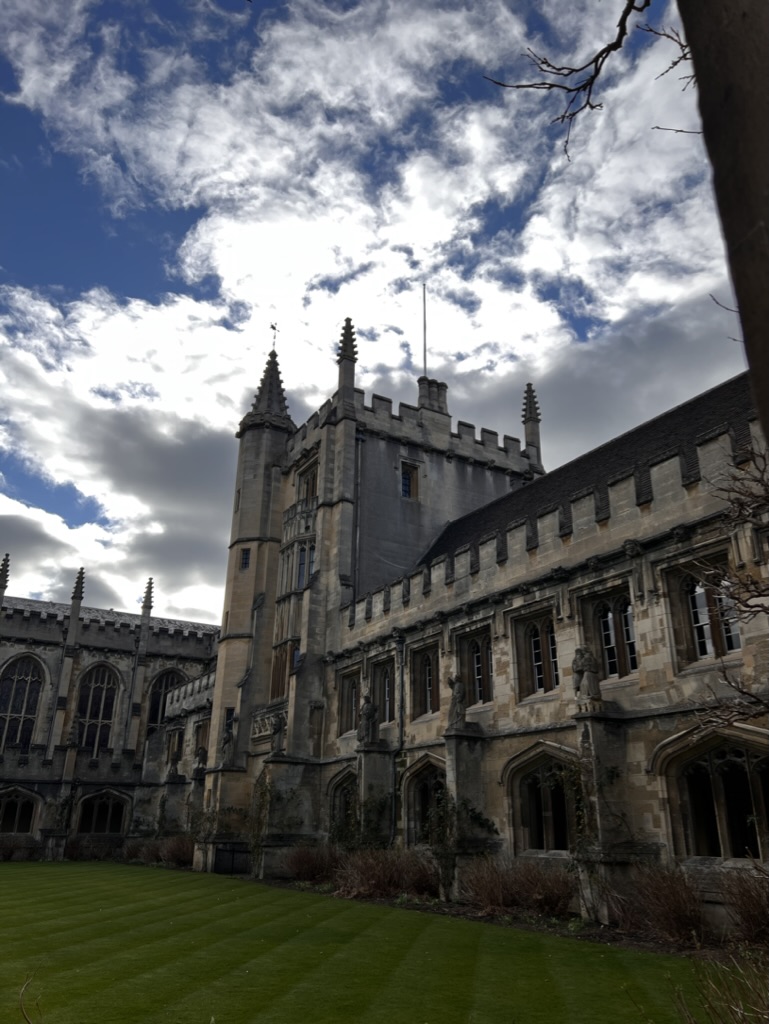









I had tea at the Diamond Jubilee Tea Salon. Tried the best butter croissant in Paris at La Maison d’Isabelle. Took a Seine River night cruise and a tour of Paris in a Citroen 2cv. I had so much fun. I ate butter croissants to my heart’s content. I would love to go back again. If you’ve never traveled solo, you really need to!
After a week of exploring, I went to Oxford for the Consortium for Human Rights. It was a week-long seminar that explored the human rights frameworks for armed conflicts. We also examined current issues in humanitarian aid and the work for peace.
The biggest epiphany I had during this trip was that my educational journey wasn’t over. I know I want to go back to school. There is still a vast amount of knowledge I need to acquire. So much more I need to learn to become a better organizer, attorney, and resource for the communities I want to help.
MPRE
A few days after returning from Europe, I sat for the MPRE. In Utah, the passing score is 86, but I scored 82 and had to retake it in August.
It’s always recommended to sit for the MPRE in your 2L year, and I wholeheartedly agree! In your 3L year, you’re already juggling your graduation application, bar exam application, job hunting, and all the stress that comes with it. Adding the MPRE to that mix is something you want to avoid.
Bar Exam
I’ll cover the bar exam in a separate post, but it’s worth noting that you work on your bar exam application throughout your 3L year. The process is lengthy and requires gathering a lot of information, which can vary depending on where you’ve lived and what you’ve done in life. I had to deal with ASG to obtain some of the necessary information, which took quite a while. So, the earlier you start, the better!
Life
In October, I began volunteering as a mentor in the Famtorship for Social Justice Program. I was assigned to a first-generation college student. We went over her goals and developed a plan to achieve them. As a first-generation student, she had a lot of questions about navigating college life and what resources were available to her as a U student. This ended when I graduated.
In January, I started volunteering as a family mentor for Catholic Community Services. My first assignment was to assist an Afghan family who had just moved to Utah. My role involved helping them transition to life in Utah, which included a variety of tasks—teaching them how to take the bus to work and school, navigate paying their bills, find grocery stores, read traffic signs, deal with the school system and help the children with their homework. I also taught their 5-year-old daughter English every Saturday. At the end of my year-long assignment, I was assigned to another Afghan family.
I also joined a Baha’i Faith study circle group in January. We met on Zoom once every week to go over Ruhi Book 5 – Releasing the Powers of Junior Youth. The study circle helped reorient me when the expectations of life made me despondent. It’s not like the information in Ruhi Book 5 was new, but they were powerful reminders. One of my favorite quotes is by Shoghi Effendi: “The more we search for ourselves, the less likely we are to find ourselves; and the more we search for God, and to serve our fellow-men, the more profoundly will we become acquainted with ourselves, and the more inwardly assured.”
It’s evident from everything I was doing outside of law school that I felt something was missing. I was lost, disoriented. I often questioned whether I was doing enough with my life. I felt like I needed to be doing something more. Everything seemed mundane, and I didn’t know where to look. I wanted so badly to find hope and inspiration somewhere, anywhere.
Volunteering and participating in the study circle helped me get through my 3L year. It brightened my view of the world. I was hopeful for the future. I was reminded that when we only look at ourselves, all we see is weakness. With this renewed mindset, I truly enjoyed my last semester of law school. I learned to look beyond myself in my work, think beyond traditional legal methods, and redefine the role of an attorney.
One thing I wish I had done earlier in law school was to be more involved, more outgoing, and more authentic. I wasted so much time second-guessing myself, plagued by imposter syndrome.
I was aware that being a minority first-generation law student in a predominantly white class would bring some psychological challenges and experiences. However, dealing with these challenges and experiences is a different matter altogether. As a Polynesian, I have faced instances where my superiors or peers made comments about my lack of accent when speaking English, my work ethic not aligning with the stereotype of a “lazy Polynesian”, or even asked if I could sing and dance. Individually, these experiences may have seemed insignificant, but collectively I think they did affect me mentally. I had performance anxiety as I didn’t want to reinforce negative stereotypes about Polynesians. I constantly felt the need to counteract these stereotypes, which was mentally exhausting.
Cultural and social isolation was another challenge. Being one of the few minority students made it difficult to find a supportive peer group that I truly connected with. I felt the pressure to represent the entire Polynesian community. Because I was one of the few minorities, I was often looked to for elaborating on minority experiences and advocating for diversity and inclusion. While this can be rewarding, I didn’t feel like the right person for the task because my educational journey wasn’t the norm in Polynesian communities or even in other minority communities.
I enjoyed my last semester because I finally let go of preconceived notions about what my law school experience should look like, what my interests should be, and what I should aim for. Hindsight is always 20/20. I realized in my 3L year that my law school experience would have been much more enjoyable if I had adopted this mindset sooner. A significant part of the struggle with law school is mental. Sometimes, you need to get outside of your head!
More often than not, I am still baffled that I’m a literalllll attorney. Ahhhhhh! High school me would have never imagined this. Hell, even ASCC-me would’ve never thought I’d be one. Some days, it’s still hard to wrap my mind around it.
I’m incredibly thankful to everyone that has ever encouraged me to do the damn thing. I appreciate all of you 🫶🏽

 Dine's Ethos
Leave a comment